
 Facebook
 X
X
 Pinterest
 Copy Link
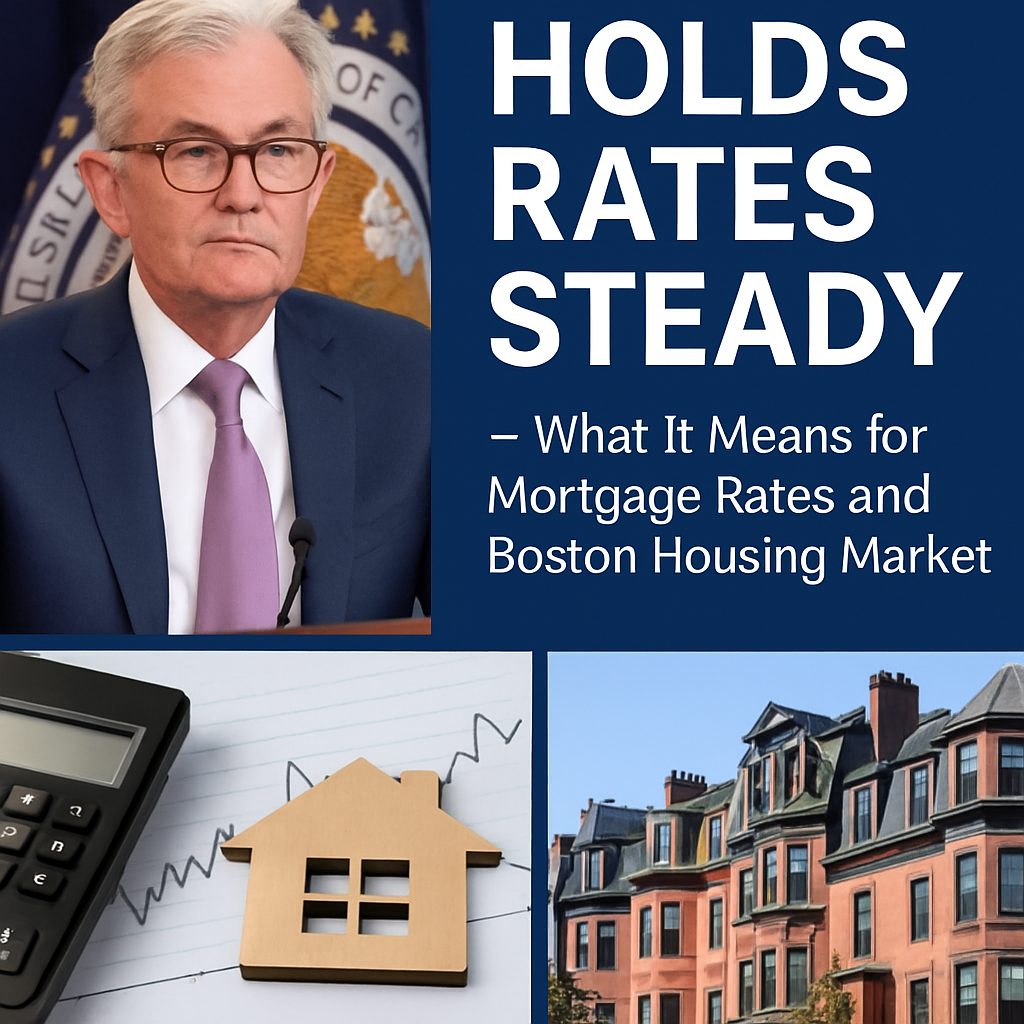
This week, the Federal Reserve announced that it will keep interest rates unchanged, maintaining its current stance as it waits for more signs that inflation is cooling sustainably.
So, what does this mean for you — especially if you’re thinking about buying, selling, or refinancing a home?
🔍 What Did the Fed Do?
The Fed chose to leave the federal funds rate unchanged, which has been at a 23-year high since early 2023. While the Fed doesn’t directly set mortgage rates, its decisions heavily influence them.
By keeping rates steady, the Fed is signaling caution — waiting to see continued improvement in inflation before making a move.
🏠 What Does This Mean for Mortgage Rates?
While many were hoping for a rate cut, the decision to hold steady can still bring some stability to mortgage rates, which have been fluctuating in recent months.
Here’s what to expect:
-
Mortgage rates may stay relatively stable in the short term, avoiding major spikes.
-
If inflation continues to cool, we could see rate cuts later this year or early next, which would likely bring mortgage rates down.
-
Lenders are watching the Fed closely, and their pricing reflects not just today’s news — but also where they believe the economy is headed.
📍 What This Means for the Boston Market
Boston remains one of the most competitive real estate markets in the country, and inventory is still historically low in many neighborhoods.
Here’s how the Fed’s move affects the local scene:
-
Buyers: While rates remain elevated compared to recent years, many Boston buyers are pushing forward, knowing that waiting may mean more competition if rates drop. Some are choosing to buy now and refinance later.
-
Sellers: With fewer homes on the market, properly priced and well-presented listings are still attracting strong interest — especially in areas like Cambridge, Somerville, South Boston, and the suburbs like Waltham and Watertown.
-
Investors: Boston’s rental demand remains strong. Even with borrowing costs holding steady, investors are still looking for value-add properties or multifamily homes in well-connected areas.
Ultimately, Boston’s fundamentals remain strong — and this pause from the Fed gives both buyers and sellers time to make strategic decisions.
💡 What Should You Do?
Whether you’re planning to buy your first home, sell, or invest, it’s important to stay ahead of the market. Timing, pricing, and having the right strategy matter more than ever.
Have questions about how this impacts your plans in Boston? Want to talk through next steps? I’m here and happy to help.
